Best Office Chair for Tall People (2026)
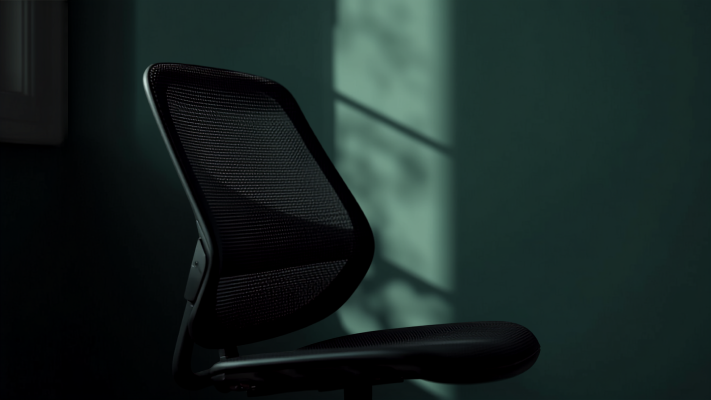
Most office chairs are built around seat depths of 16-17 inches and backrests around 20-21 inches — dimensions that fit average-height users reasonably well and leave taller ones with unsupported thighs, a backrest that stops mid-spine, and lumbar support that hits the wrong spot entirely.
The two measurements that actually matter
Seat depth. This is the length of the seat pan from the backrest to the front edge. A seat too shallow leaves your thighs unsupported and puts extra pressure on your lower back and the backs of your knees. Users above roughly 6 feet generally need 18-20+ inches of seat depth, or a chair with a depth-adjustable slider.
Backrest height. A 20-21 inch backrest — standard on most chairs — typically leaves the shoulder blades unsupported above 6 feet, which can lead to forward head posture and neck strain over a full workday. Look for 22+ inches, or a backrest that adjusts vertically.
A chair marketed as "big and tall" isn't automatically a fit — that label sometimes refers mainly to weight capacity and seat width, not the depth and backrest height that actually matter for a taller frame. Check the specific measurements, not just the label.
SIHOO Doro C300 Ergonomic Office Chair
A 4-position adjustable backrest with 2.36" of vertical travel — built specifically to fit people of different heights, not a fixed size that assumes average stature. Explicitly listed as a "Big and Tall" chair, with an SGS-certified Class 4 pneumatic lift for durability under sustained daily use.
- 4-position adjustable backrest, 2.36" (6cm) of vertical travel
- 3D adjustable armrests
- BIFMA certified, SGS-certified 4-stage pneumatic lift
- 3-year warranty
What we didn't include, and why
Premium options built specifically for very tall users exist — extended-depth ergonomic chairs from established office furniture brands — but they're priced well outside what most of Deskfield's other picks cost, and we haven't researched a specific model deeply enough to recommend one with confidence yet. We'd rather point you toward the general buying guide's measurement checklist than pad this page with a chair we can't fully stand behind.
Frequently Asked Questions
What seat depth do tall people actually need in an office chair?
Most standard chairs offer 16-17 inches of seat depth, built for shorter femur lengths. Users above roughly 6 feet generally need 18-20+ inches, or a chair with a seat depth slider that can be adjusted to fit.
How tall does a backrest need to be for a tall person?
A 20-21 inch backrest, common on standard chairs, typically leaves the shoulder blades unsupported above 6 feet. Look for backrests reaching 22+ inches, or an adjustable-height backrest that can move up to match a longer torso.
Is a "big and tall" chair the same as an ergonomic chair for tall people?
Not always — "big and tall" sometimes refers mainly to weight capacity and seat width, not seat depth or backrest height specifically. Check the actual dimensions, not just the marketing label, before assuming a chair fits a taller frame.
Want the complete decision framework covering every factor, not just height fit? See the office chair decision guide, or our general ergonomic chair buying guide.
What might change: verify current price and exact seat-depth specs on the Amazon listing before buying — this guide reflects specs checked at the update date above, not a live feed.